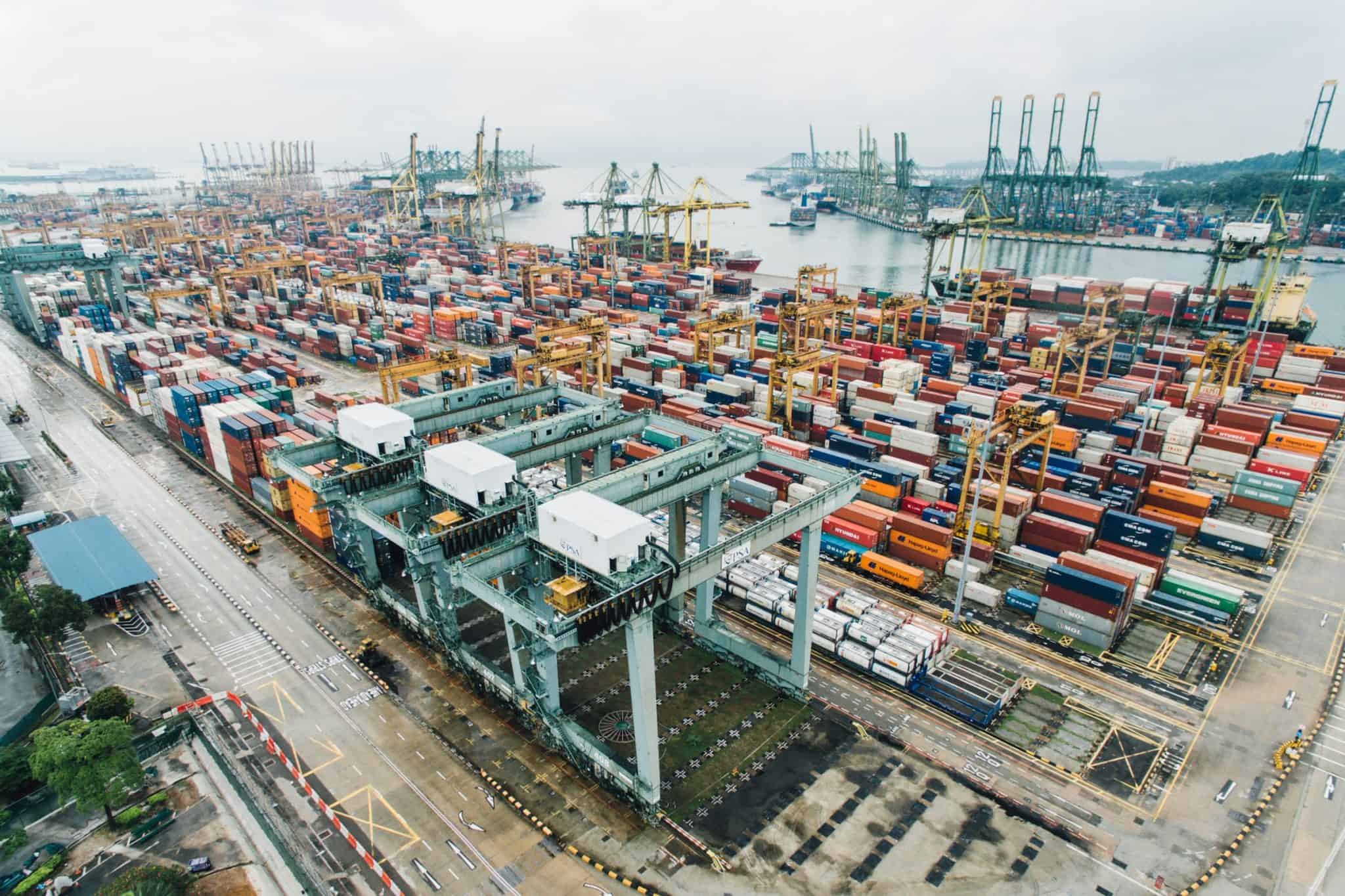
Packing a shipping container well comes down to five things: inspect the box before you load, put the heaviest items on the floor against the front wall and spread the weight evenly, pack tightly in tiers with no gaps, block and brace everything so it cannot shift, and protect your goods from moisture. Whether you are moving overseas or exporting business cargo by ocean freight, the same rules apply, and the same thinking in reverse makes unpacking safe at the other end.
Why packing a shipping container matters
Ocean freight is the most cost-effective way to ship large volumes internationally, but it is hard on cargo. A container is lifted by cranes, rolled and pitched at sea, then trucked or railed over rough roads. Exporters face four main risks when preparing goods for the voyage:
- Breakage from shifting loads and impacts
- Moisture from condensation and wet weather
- Pilferage while goods are in transit or storage
- Excess weight, which drives up cost and can make a container unsafe to handle
The international industry standard on this is the IMO/ILO/UNECE Code of Practice for Packing of Cargo Transport Units (CTU Code), which is worth reading if you pack containers regularly.
Before you load: drop-off or live load
Most shipping companies deliver a container one of two ways. With a drop, the container is left with you for a few days to load at your own pace before it is collected. With a live load, the driver waits while you pack, usually for a few hours. A live load costs less but leaves no time to improvise, so have everything packed, sorted and ready at the door before the truck arrives.
Inspect the container first
Before you load anything, and before the driver leaves, check the container thoroughly:
- Look for holes: step inside, close the doors and check for any daylight coming through.
- Make sure it is clean, dry and free of strong odours or leftover residue.
- Check that the doors close and seal properly.
- Note and photograph any damage so it is on record.
Loading and weight distribution
When packing a shipping container, start with the largest and heaviest items, such as appliances and big furniture, on the floor against the far (front) wall of the container. Work toward the doors in tiers, placing lighter items on top of heavier ones as you go.
- Keep the weight low and centred. Spread heavy items along the length of the floor rather than piling them at one end; an unbalanced container is dangerous to lift and to tow.
- Balance side to side as well as front to back.
- Stay within the limits marked on the container door for maximum gross weight and payload, and remember road weight limits for the truck that will carry it.
- Declare an accurate weight. Under international SOLAS rules, a container’s verified gross mass (VGM) must be provided to the carrier before it can be loaded onto a ship.
Packing material affects your cost too, since freight is calculated on volume and weight. Lightweight but reinforced packaging made for export protects goods without adding unnecessary bulk.
Blocking and bracing
Anything that can move will move, so bracing is the step people most often skip when packing a shipping container. The goal is a load that is tight from wall to wall and floor to ceiling.
- Pack boxes tightly so they cannot shift. Fill gaps with extra boxes, blankets, pillows or bubble wrap.
- Stand mattresses along the sides of heavy items to add cushioning and protection.
- Use straps tied to the container’s lashing points to hold tiers in place.
- For commercial cargo, use timber blocking, load bars or inflatable dunnage bags to fill larger voids.
- Secure the last row at the doors so nothing can fall when they are opened.
Any wooden pallets, crates or dunnage used in an international shipment generally must meet the ISPM 15 standard, which means heat-treated or fumigated wood bearing the official stamp. Untreated wood can be refused or treated at your expense on arrival. If you are sharing a container, your goods will be crated or palletized for LCL shipping so they are protected from other cargo.
Protecting goods from moisture
Moisture is a constant concern. Condensation, often called container rain, can form inside a container as temperatures change between day and night or between climates, even in a ship’s hold with air conditioning and dehumidifiers. Loading or unloading in rain, and ports without covered storage, make it worse. To reduce the risk:
- Make sure everything you load is completely dry, including wood and furniture.
- Use moisture-resistant packaging and filler, and wrap sensitive items in plastic.
- Keep goods off the floor on pallets where possible.
- Add desiccant packs or bags for long voyages or sensitive cargo.
- Pack in strong, sealed, filled boxes and follow any product-specific hazard or handling labels.
Guarding against pilferage
Keep a numbered inventory of every item or box, avoid writing brand names or “valuable” on the outside of cartons, and pack high-value items toward the middle of the load rather than by the doors. Once the container is closed, it is sealed with a numbered seal; record that number on your documents.
The last box in
For a household move, load a box of things you will need right away at the very end, nearest the doors: scissors for opening boxes, cleaning supplies, basic tools and a few toys if you have children.
How to unpack a shipping container
Many shipping companies can deliver the container right to your address and leave it with you to unpack. When it arrives:
- Check that the seal is intact and the number matches your documents before you break it.
- Open the doors slowly and carefully; items may have shifted in transit and could fall.
- Work in reverse: start with the top tier and the lightest items near the doors, then work down and back to the heaviest pieces.
- Check items against your inventory and photograph any damage before you sign for delivery.
Frequently asked questions
Where should heavy items go when packing a shipping container?
On the floor, starting against the front wall and spread evenly along the length, with lighter items stacked on top.
How do I stop things moving inside the container?
Pack tightly, fill every gap with padding or extra boxes, and strap tiers to the lashing points. Commercial loads often use timber blocking or dunnage bags.
Can I use ordinary wooden pallets?
Only if they are ISPM 15 treated and stamped. Untreated wood packaging can be held or refused at the destination.
How do I prevent mould and water damage?
Load only dry goods, use moisture-resistant packing, keep items off the floor and add desiccants for long voyages.
World Cargo has been helping households and businesses with container shipping from Vancouver since 2008, with a team that has more than 35 years of combined experience, including the documents and international rules that come with it. See our FCL shipping options or request a quote for your container.